
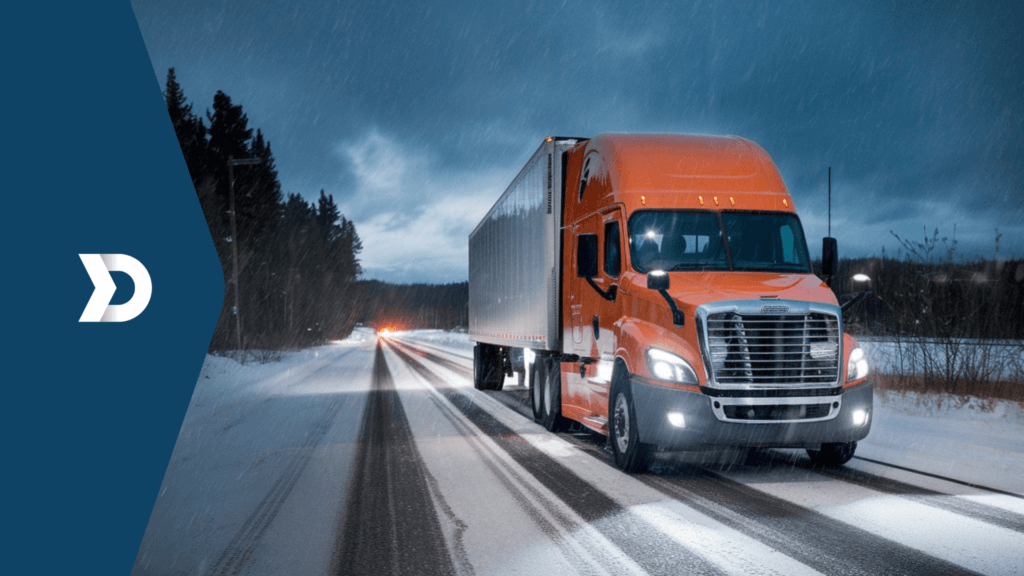
Driving in adverse conditions, such as inclement weather or emergencies, requires preparation, adaptability, and vigilance. This article explores essential safe driving practices for navigating challenges like rain, snow, fog, and sudden emergencies. Mobile telematics can enhance safety by monitoring vehicle performance and guiding drivers to adjust their behaviors in response to road and weather conditions. Combining traditional safety practices with telematics technology ensures drivers stay safe and confident in any situation.
Table of Contents
- Navigating the Unexpected
- Preparing Your Vehicle for Adverse Conditions
- Adjusting Driving Techniques for Inclement Weather
- Managing Vehicle Control in Emergencies
- Staying Focused and Alert
- The Role of Technology in Adverse Conditions
- A Culture of Safe Driving During Adversities
- Prioritizing Safety in All Conditions
- FAQ
1. Navigating the Unexpected
Driving comes with its share of challenges, but adverse conditions—such as heavy rain, snow, fog, or emergencies—demand heightened caution and skill. These conditions reduce visibility, traction, and control, increasing the risk of accidents. Safe driving in such situations requires preparation, adaptability, and knowledge of maintaining control under pressure.
Modern technology, particularly mobile telematics, plays a vital role in improving safety during adverse conditions. By monitoring driving behaviors, providing real-time route adjustments, and offering insights into driving patterns, mobile telematics empowers drivers to adjust their habits and handle challenges effectively. Explore essential practices for navigating inclement weather and emergencies.
2. Preparing Your Vehicle for Adverse Conditions
Preparation is the foundation of safe driving in adverse conditions. Ensuring that your vehicle is in top condition minimizes risks and gives you the tools needed to manage unexpected challenges.
Key Vehicle Maintenance Tips
- Check Your Tires:
Proper tire pressure and tread depth are critical for maintaining traction on wet or icy roads. Inspect your tires regularly and replace them when the tread depth is below 2/32 of an inch. - Maintain Your Brakes:
Faulty brakes can make stopping dangerous on slippery surfaces. Have your brakes checked regularly to ensure they respond correctly under stress. - Ensure Visibility:
Clean your windshield and replace worn wiper blades to ensure clear vision during rain or snow. Check your headlights, taillights, and turn signals to ensure they are functional. - Stock an Emergency Kit:
Carry essential supplies such as a flashlight, jumper cables, a first-aid kit, blankets, and non-perishable snacks. Include a scraper for ice and snow, especially in winter conditions.
Winter-Specific Preparations
- Use winter tires for a better grip on snow and ice.
- Keep a bag of sand or kitty litter in your trunk to provide traction if your car gets stuck.
How Mobile Telematics Helps
Mobile telematics can help monitor tire wear-off and other critical parameters. Alerts generated by telematics apps can be designed and customized to ensure drivers stay on top of maintenance tasks, reducing the chances of breakdowns during adverse conditions.
3. Adjusting Driving Techniques for Inclement Weather
Adverse weather, such as rain, snow, and fog, requires changing how to handle the vehicle. Adapting driving techniques to the conditions can significantly reduce risks.
Driving in Rain
- Reduce Speed: Wet roads reduce traction, increasing stopping distances. Drive slower than usual to maintain control.
- Avoid Hydroplaning: If your vehicle begins to skid on water, ease off the accelerator and steer gently in the direction you want to go. Avoid sudden braking or turning.
- Increase Following Distance: Leave more space between your vehicle and others to allow extra time to stop.
- Use Headlights: Turn on your headlights to improve visibility, but avoid using high beams in heavy rain as they can reflect off the water and reduce visibility.
Driving in Snow and Ice
- Accelerate and Decelerate Slowly: Sudden movements can cause skidding. Gently apply pressure to the gas or brakes to maintain traction.
- Drive at a Safe Speed: Driving too fast for conditions is a leading cause of accidents in winter weather. Slow down, even below posted speed limits, if necessary.
- Avoid Sudden Braking: If your wheels lock up on ice, release the brake pedal and steer in the direction you want the car to go.
- Watch for Black Ice: Be cautious on bridges, overpasses, and shaded areas where ice is more likely to form.
Driving in Fog
- Use Low Beams or Fog Lights: High beams can reflect off the fog and reduce visibility.
- Follow Road Markings: Use the lane markings as a guide to stay on course.
- Avoid Sudden Stops: Slow down gradually and maintain a consistent speed to avoid collisions.
4. Managing Vehicle Control in Emergencies
Emergencies like sudden mechanical failures, tire blowouts, or an obstacle on the road demand quick thinking and calm execution. Knowing how to maintain control in these situations is essential.
Handling a Skid
- Rear-Wheel Skid: If your rear wheels lose traction, steer gently in the direction you want to go while easing off the accelerator. Avoid overcorrecting.
- Front-Wheel Skid: If your front wheels lose grip, ease off the gas and let the car slow down until you regain control.
Dealing with a Tire Blowout
- Hold the steering wheel firmly and avoid slamming on the brakes.
- Allow the car to slow down gradually while steering it to a safe area.
- Turn on your hazard lights to alert other drivers.
Obstacle in the Road
- Avoid swerving suddenly, which can cause a loss of control.
- Brake firmly while steering around the obstacle, maintaining as much control as possible.
How Mobile Telematics Helps
If an emergency happens, telematics apps can be set to send vehicle location to emergency services or fleet managers for quicker assistance.
5. Staying Focused and Alert
Adverse conditions require drivers to remain focused and anticipate potential hazards. Distractions or fatigue can significantly increase the risk of accidents.
Tips for Staying Alert
- Take Breaks: Stop every two hours during long drives to rest and refresh your mind.
- Avoid Distractions: Put away your phone and limit in-car distractions, such as adjusting the radio or eating while driving.
- Plan Your Route: Know your route in advance and check weather conditions to avoid surprises.
Combatting Fatigue
- Get enough sleep before a long trip.
- Share driving responsibilities if traveling with others.
- Use caffeine strategically to stay awake, but don’t rely on it to replace proper rest.
How Mobile Telematics Helps
Mobile telematics systems can:
- Detect distracted driving behaviors, such as phone usage, and send immediate alerts to encourage drivers to refocus.
- Monitor driver fatigue through data like erratic lane changes or prolonged driving hours and recommend taking breaks.
- Notify drivers of exceeding the normal driving hours, encouraging them to take necessary brakes.
6. The Role of Technology in Adverse Conditions
Modern vehicles come equipped with advanced safety features that assist drivers in managing adverse conditions.
Helpful Features
- Anti-Lock Braking System (ABS): Prevents wheels from locking during braking, maintaining steering control.
- Traction Control: Reduces wheel spin and improves stability on slippery surfaces.
- Lane-Keeping Assist: Alerts drivers when drifting out of their lane, especially useful in poor visibility.
- Adaptive Cruise Control: Automatically adjusts speed to maintain a safe following distance, even in rain or light snow.
Leverage these technologies to enhance your safety, but never rely solely on them—maintain full control of your vehicle at all times. Combined with mobile telematics, these features provide even greater safety and control.
How Mobile Telematics Enhances Technology
- Route Optimization: Mobile telematics apps can suggest the safest and most efficient routes based on weather and traffic conditions.
- Emergency Alerts: Receive alerts for severe weather, enabling you to adjust your plans accordingly.
- Driver Scoring: Continuous monitoring of driving habits helps drivers improve over time, ensuring safer practices during adverse conditions.
7. A Culture of Safe Driving During Adversities
Driving in adverse conditions is about preparation, focus, and proactive behavior. These principles are important to keep in mind, to promote a culture of safe driving.
Key Takeaways
- Always prepare your vehicle for the season and specific conditions.
- Adjust your speed and techniques to match the environment.
- Stay focused, alert, and ready to respond to emergencies.
- Use technology as a tool, but remain the primary decision-maker on the road.
8. Prioritizing Safety in All Conditions
Adverse driving conditions test a driver’s skills, patience, and preparedness. By combining traditional safe driving practices with the capabilities of mobile telematics, drivers can navigate challenges more confidently. From feedback on driving behavior to vehicle monitoring, mobile telematics apps can help drivers develop safe driving habits and be more confident in the most difficult situations. Prioritizing vehicle maintenance, adapting techniques, and staying alert reduce the risk of accidents and make navigating these challenges confidently easier. Whether it’s driving in heavy rain, snow, fog, or an emergency, the principles of safe driving remain the same: preparation, caution, and focus.
Embrace these practices to ensure not only your safety but also the safety of others on the road. The journey may be unpredictable, but preparation, caution, and the right technology can ensure a safe arrival.
FAQ
1. What are the most important vehicle preparations for adverse conditions?
Regularly check tire pressure and tread depth, maintain your brakes, ensure your wipers and lights are functional, and carry an emergency kit tailored to the season (e.g., a scraper and winter tires for snow).
2. How can mobile telematics help in bad weather?
Mobile telematics apps can provide real-time route updates, suggesting safer roads. It can also provide feedback on driving habits, such as speed and braking, helping drivers enhance their skills and focus on the areas for improvement.
3. How does telematics promote safe driving habits?
Mobile telematics monitors behaviors like harsh braking, phone usage, and speeding, providing feedback and driver scores. This encourages drivers to adopt safer practices and make improvements over time.
4. How does telematics reduce driver fatigue during long trips?
Mobile telematics can detect signs of fatigue, such as prolonged driving hours, and recommend taking breaks. Alerts and reminders can be set up in the app to help drivers stay focused.