Telematics API

Telematics API for Driving Data & Analytics

Get Driving Scores in 5 Lines of Code. Integrate driver safety scoring, trip analytics, and crash detection into any app. Free up to 10K API calls/month.

90-day sandbox included. No credit card. No sales call.

Access driving data, scores, trip records, and engagement services through REST APIs. Data is captured by the Telematics SDK, processed on the Damoov platform, and delivered as structured API responses ready for integration into your products.

Request a driving score
curl -X GET "https://api.telematicssdk.com/v1/Trips/{tripId}/Scoring" \
  -H "Authorization: Bearer YOUR_JWT_TOKEN"
Response
{ "Safety": 82, "Acceleration": 90, "Braking": 75, "Cornering": 88, "Speeding": 95 }

Telematics API Endpoints and Data Objects

Damoov exposes driving behavior and trip telemetry through REST — not vehicle command APIs or OEM CAN data. Data originates from the mobile telematics SDK on the driver's phone.

DomainExample endpointsData returned
TripsTrip list, Trip detailRoute summary, duration, distance, waypoints, events
ScoringScoring APIs, Safety scoreSafety, eco, acceleration, braking sub-scores
EventsCrash / accident APIsTimestamp, severity, location, crash buffer metadata
Users / SDKCreate SDK user, Device statusDeviceToken, JWT tokens, permission diagnostics
Live trackingWebSocket live trackingReal-time lat/lng, driver display name
WebhooksBackend notificationsPush on trip received, enrichment finished, crash filtered

Auth: User registration & API auth. Full reference: API get started.

Get Started with the Telematics API

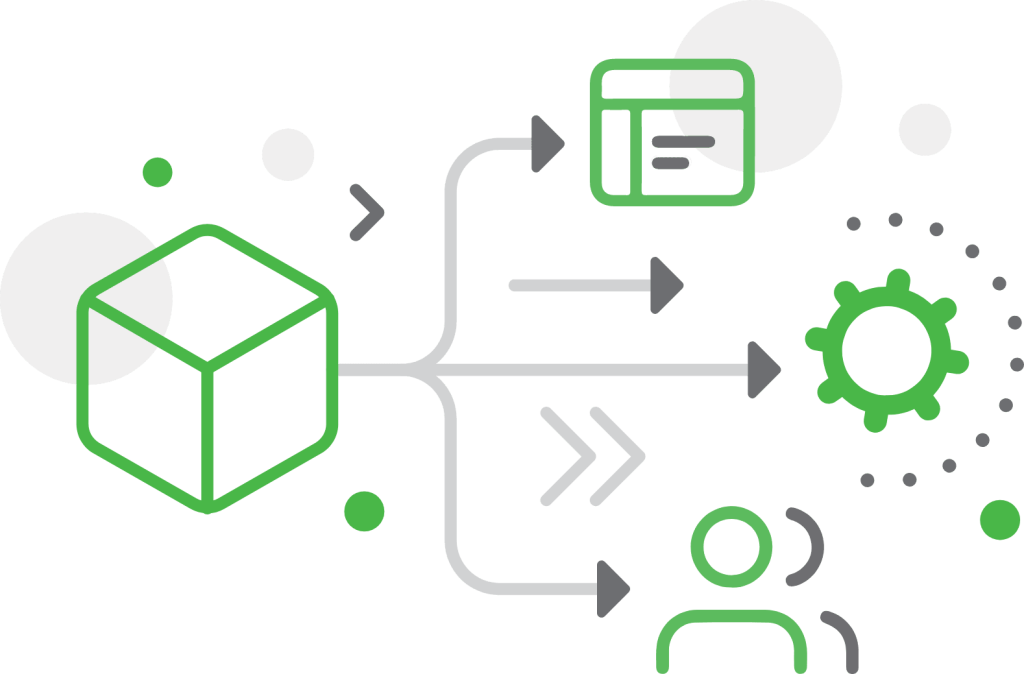
The telematics API sits downstream of the mobile SDK: the SDK captures trips on the phone; the API lets your backend list trips, pull scores, subscribe to events, and feed analytics pipelines.

Step 1 — Create an SDK user

curl -X POST "https://user.telematicssdk.com/v1/Registration/create" \
  -H "Content-Type: application/json" \
  -H "InstanceId: YOUR_INSTANCE_ID" \
  -H "InstanceKey: YOUR_INSTANCE_KEY" \
  -d '{"FirstName": "Alex", "LastName": "Dev", "Email": "[email protected]"}

Reference: Create SDK user.

Step 2 — Authenticate API requests

curl -X GET "https://api.telematicssdk.com/v1/Trips/{tripId}/Scoring" \
  -H "Authorization: Bearer YOUR_JWT_TOKEN"
{ "Safety": 82, "Acceleration": 90, "Braking": 75, "Cornering": 88, "Speeding": 95 }

Step 3 — Fetch trips or subscribe to webhooks

Poll: Get started with the trips API.

Push: Configure backend notifications at app.damoov.com/callbacks.

{
  "Event": "TrackEnrichmentFinished",
  "UserId": "e5f2d616-896d-4610-9bef-9ff823af1275",
  "Object": { "Type": "RichTrack", "Url": "https://api.telematicssdk.com/..." }
}

Built for Three Core Use Cases

Choose your path. Each use case has dedicated API endpoints, scoring models, and documentation.

Insurance Scoring

Fleet Monitoring

Mobility & Consumer Apps

UBI and pay-how-you-drive programs need per-trip risk signals from day one — not after a hardware install window. The telematics API returns safety and eco scores, mileage, harsh-event breakdowns, and crash notifications for each trip the mobile telematics SDK records on the policyholder’s phone.


Typical flow: register the driver → SDK captures trips automatically → your pricing engine calls Trips/{id}/Scoring or consumes TrackEnrichmentFinished webhooks → scores feed policy renewal or mid-term adjustments.


APIs used: Trip list & detail, Safety/Eco scoring, crash webhooks, statistics.
Docs: Safety score · UBI technical guide

Fleet SaaS products aggregate driver behavior across hundreds of vehicles without installing GPS hardware in each cab. The API supplies trip logs, live position, permission diagnostics, and tag-based order grouping.


Typical flow: drivers run your branded app with the SDK → programmatic tracking limits data to on-duty periods → your dashboard polls trip summaries or streams live GPS via WebSocket → trip tags group multi-day deliveries under one order ID.

BI Integrations — export structured telematics data to your analytics platform


APIs used: Trip log, live tracking, trip tags, permissions monitoring, data export.
Docs: Get started — trips API · Live GPS tracking

Ride-hailing, car-sharing, gig, and consumer mobility apps need engagement and safety features built from smartphone telemetry — not factory vehicle APIs. The telematics API delivers crash detection payloads, driver scoring for reputation systems, Drivecoins-style rewards, and real-time event webhooks your app can react to in seconds.


Typical flow: SDK runs during active sessions → crash or harsh events push to your backend → you trigger in-app coaching, support workflows, or token rewards. Optional Bluetooth OBD adds vehicle diagnostics for fleets that want both phone-based behavior and ELM327 data.


APIs used: Crash detection & FNOL, engagement (Drivecoins, leaderboards), real-time webhooks, user management.
Docs: Accident detection · Drivecoins

Simple, Transparent Pricing

Start free, scale as you grow. No surprises.

Free

$0

Growth

Usage-based

Enterprise

Custom

Request Access

Tell us about your use case and we will recommend the right integration path for you.

By submitting this form, you agree to our Privacy Policy and Terms of Service.

Driving Analytics

Safe Driving Score

Eco Driving Score

Driving Statistics

Permissions Monitoring

Trip Log

Trip Details

Engagement

Claims Management

Crash Detection

FNOL

Product Management

Trip Tags

Hierarchy Management

Safe Driving Score

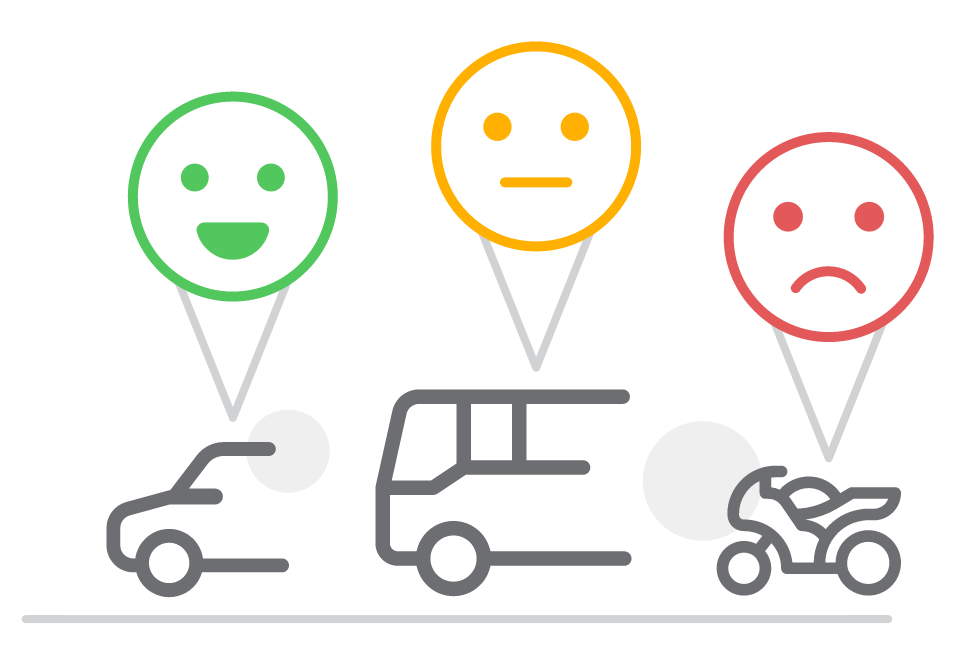
A per-trip driver risk scoring model that segments drivers and ranks them by risk level. The model works from the first recorded trip and supports flexible configuration — different scoring rules can be applied to multiple driver groups within a single application.

An open-source scoring model is also available, giving your team full control to manage, customize, and maintain it independently.

Scoring Factors:

Eco Driving Score

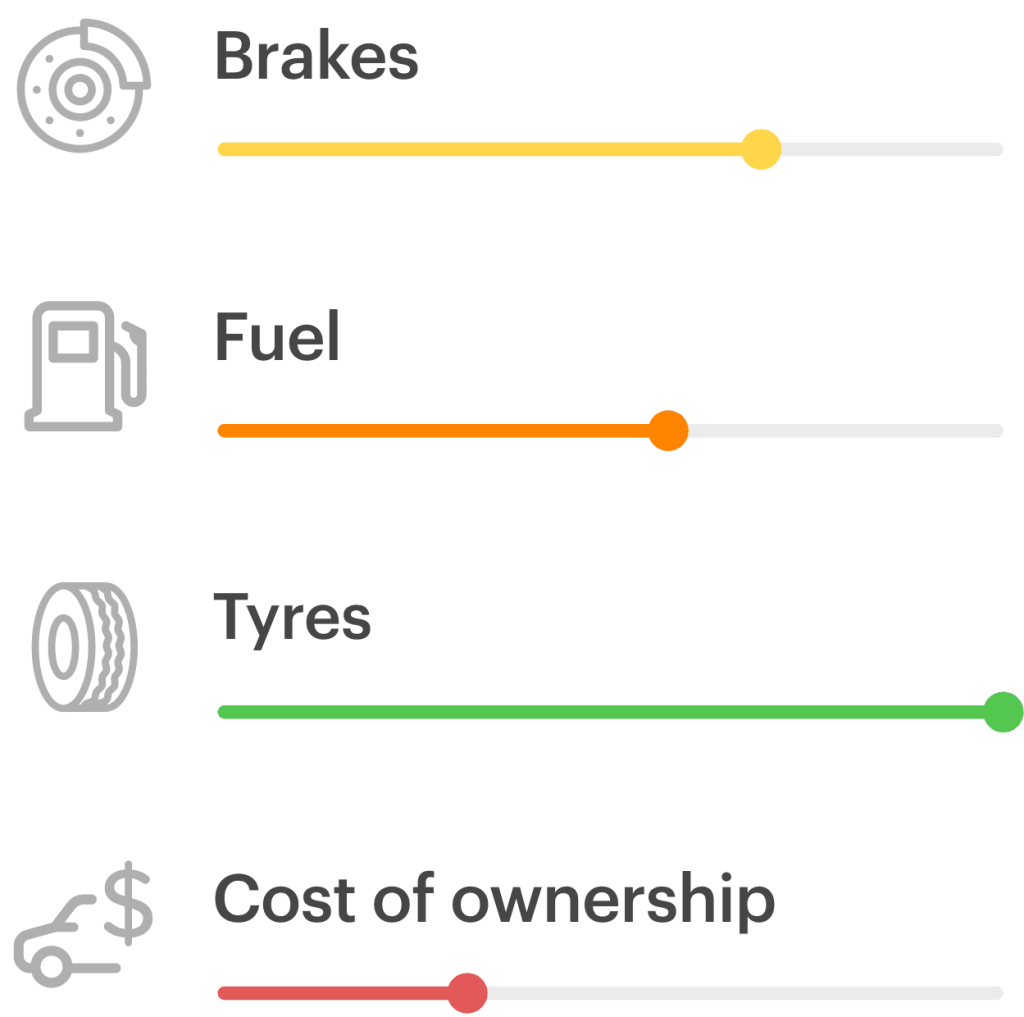
Driving style and vehicle usage patterns directly affect fuel consumption, tire wear, and overall vehicle operating costs. The eco-driving scoring model benchmarks driver efficiency, enabling comparison across drivers and trips.

How It Works

Two drivers can use the same vehicle, but different driving styles produce different outcomes — including fuel consumption, brake wear, and tire degradation.

Driving Statistics

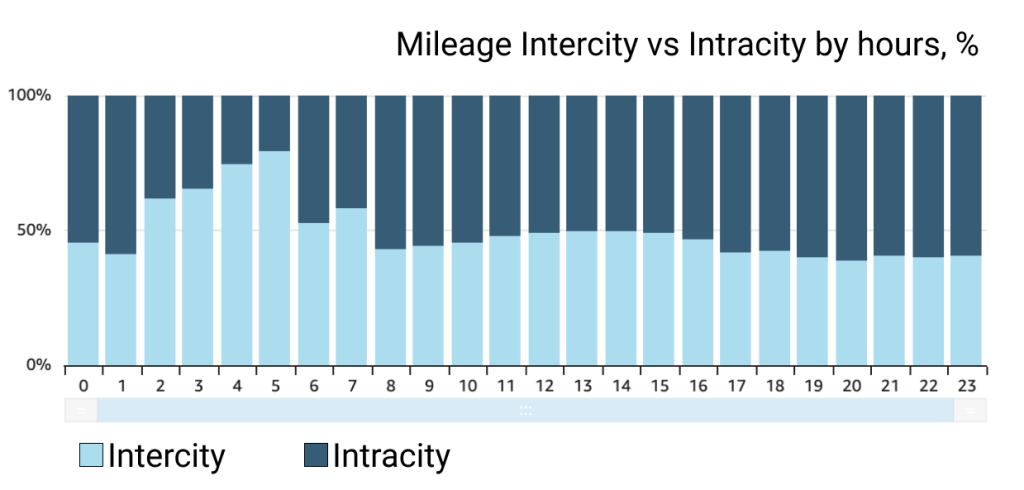
The Statistics API delivers structured telematics metrics for operations, product development, and driver engagement — accessible by both internal teams and end users.

Retrieve driver performance metrics, safety scores, eco scores, and trip-level statistics directly via the API.

Available Parameters:

Trip Log and Trip Details

Access complete trip history with in-depth trip analysis, including driving events and waypoints. Use this data to power end-user trip views, build analytics dashboards, or feed downstream processing pipelines.

Data is available via API or through a data export service.

Permissions & Trip Tag Management

Permissions

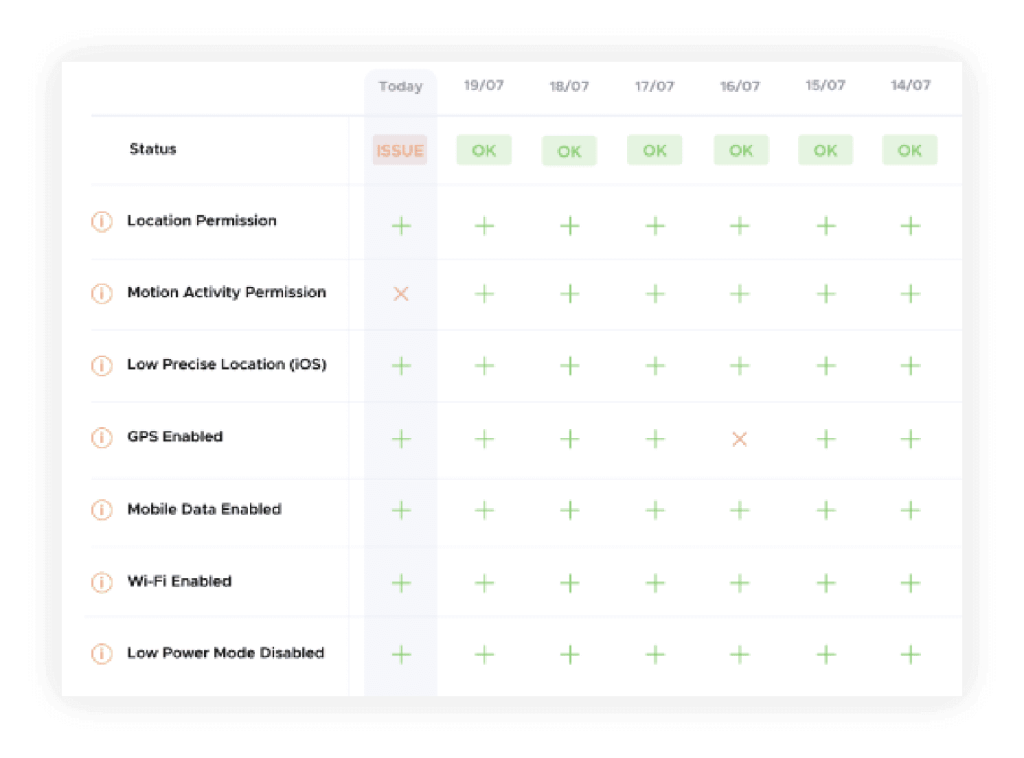
Monitor granted SDK permissions and receive notifications when a driver changes them — enabling immediate follow-up if permissions are revoked.

If trips are not being recorded, access detailed diagnostics to identify the root cause.

Data is available via API, subscriptions, or a daily report delivered to your S3 bucket.

Tags For Trips

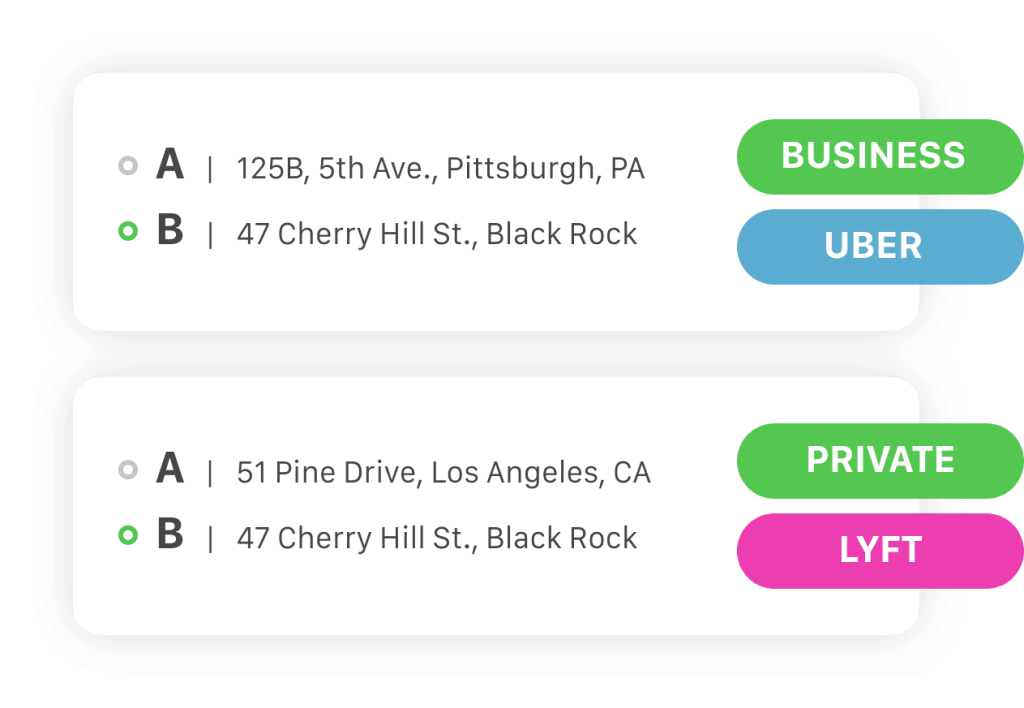
Apply tags to categorize trips. Segment trip data and retrieve statistics and scores filtered by tag.

Tag Groups

Group multiple trips under a single tag to track performance at the order level. For example, a logistics company can tag all trips tied to one delivery (e.g., Sydney → Melbourne) across several days.

The tag is activated when the driver accepts the job and deactivated when the delivery is completed — enabling order-level statistics and scoring.

Bluetooth OBD and Vehicle Data

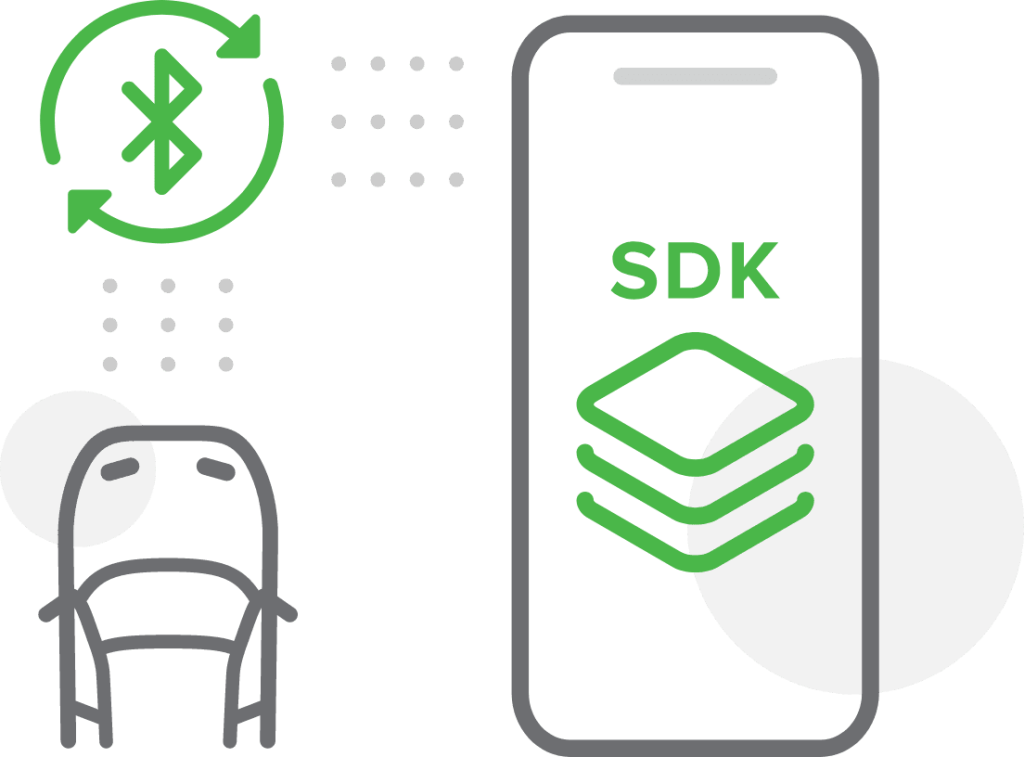
Pair a smartphone with vehicle diagnostics data via a Bluetooth OBD (ELM327) adapter to capture both driving behavior and vehicle telemetry.

Driver behavior, location, and vehicle data are collected automatically in the background and combined into a unified dataset for analysis and product integration.

Frequently Asked Questions

The API provides trip records, safety scores, eco-driving scores, driving statistics, live tracking data, vehicle profiles, and user management endpoints.
Damoov offers a 99.99% uptime SLA with sub-100ms response times and capacity for 50M+ API calls per day.
Yes. A free development tier is available for testing and prototyping, with usage-based pricing that scales as you grow.
The API uses token-based authentication. You can manage API tokens through the DataHub portal or the User Management API.
Yes. The API delivers real-time telematics events — trip start/end, harsh events, crash detection — via webhooks and server callbacks. Live location and driver status are available through **WebSocket** streaming endpoints.

Damoov exposes trip, behavior, and scoring data that fleet management apps consume — trip logs, live GPS, driver scores, tags, and export. It is not a full FMS replacement (maintenance scheduling, fuel cards, HR payroll). Think of it as the telematics data layer your fleet SaaS integrates via REST.

No. The telematics API returns data collected by the Damoov SDK from smartphone sensors (and optional Bluetooth OBD if you enable it in your app). It does not provide OEM cloud APIs for remote lock, EV state-of-charge from the vehicle bus, or factory telematics feeds.

Each trip receives safety and eco scores computed from detected events — acceleration, braking, cornering, speeding, phone use, road type, and time of day. Sub-scores roll into an overall safety rating you can query per trip or aggregate over date ranges. See Safety score.

The mobile telematics SDK captures data on the phone. The telematics API is how your backend accesses that data. You need the SDK to generate data; you need the API for dashboards, insurer pricing, or multi-tenant products. Evaluate both on the SDK page.

Pair the API with the Mobile Telematics SDK

The API does not generate trips on its own — it processes and delivers data captured by the SDK in your iOS or Android app. In practice, every production telematics API integration pairs with the mobile telematics SDK: SDK for capture, API for export and aggregation.

Explore the Mobile Telematics SDK

Related Developer Guides

Ready to Integrate?

Explore the full API reference and start building with Damoov’s telematics data services.