
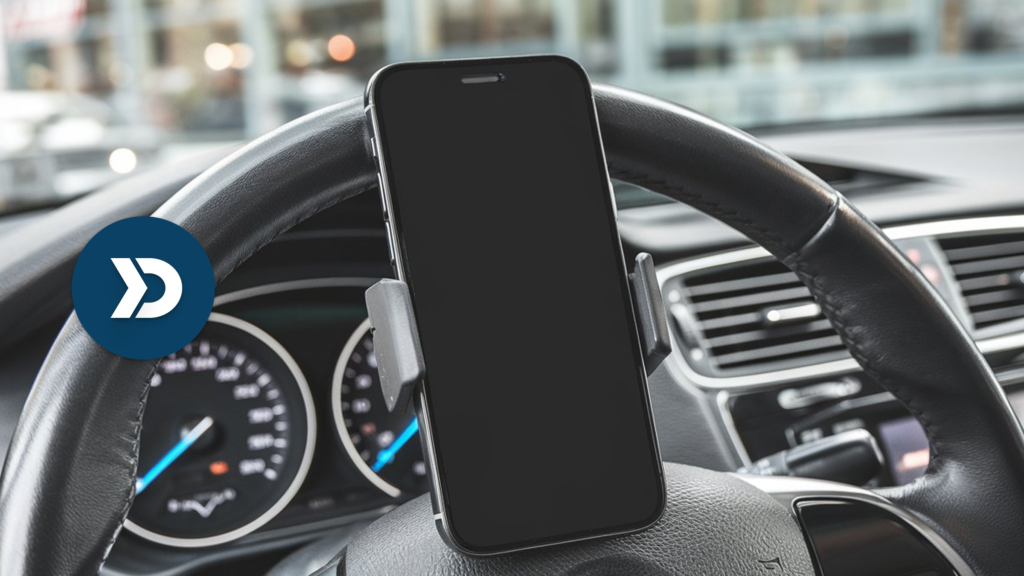
Underinsurance often tracks premium, not demand. Class tables price age and ZIP. Usage-based insurance (UBI) on the phone prices how the person drives — including high-risk labels and low-mileage books.
Mobile-only telematics uses phone sensors, not a dongle or OEM unit. That opens behavior pricing and coaching to cars that were never “connected.”
Table of Contents
- Addressing the Underinsurance Crisis with Mobile Telematics
- The Role of Mobile Telematics in Expanding Insurance Access
- Key Benefits of Mobile-Only Telematics for Underinsured Drivers
- Developing Fair and Transparent UBI Pricing Models
- Insurance and Road Safety with Mobile Telematics
- How Mobile Telematics is Bridging the Insurance Gap
1. Addressing the Underinsurance Crisis with Mobile Telematics
Millions stay underinsured because the quote is built on demographics. Young, low-income, or “high-risk” labels pay more even when the trip file would say otherwise.
Mobile telematics enables usage-based insurance (UBI) models that price policies based on actual driving habits. Through smartphone-based tracking, insurers can extend coverage to underinsured drivers, offering more affordable and personalized insurance solutions.
2. The Role of Mobile Telematics in Expanding Insurance Access
2.1 Enabling Usage-Based Insurance for a Wider Audience
Traditional auto insurance relies on broad risk categories such as age, location, and credit score, which can unfairly penalize responsible drivers. Mobile telematics shifts the focus to real-world behavior, making insurance more precise and inclusive.
- Real-time data collection via smartphone apps eliminates the need for expensive onboard devices.
- Pay-as-you-drive (PAYD) models ensure low-mileage drivers pay proportionally lower premiums.
- Behavior-based pricing rewards good driving habits, allowing safe drivers to access affordable coverage.
By eliminating upfront assumptions, UBI programs powered by mobile telematics provide equitable solutions for all drivers.
2.2 How Mobile Telematics Works Without Built-In Vehicle Technology
Unlike traditional telematics that requires hardware installations, mobile telematics leverages a driver’s smartphone sensors to track:
- Speed, acceleration, and braking patterns to assess risk levels.
- GPS-based mileage tracking to determine usage-based pricing.
- Distracted driving behavior through phone motion detection.
This makes mobile telematics a low-cost, accessible alternative for drivers who lack connected car technology, bridging the insurance gap for those previously excluded from UBI policies.
2.3 Making Auto Insurance Fairer for High-Risk and Low-Mileage Drivers
Insurance companies traditionally classify certain drivers as high-risk due to external factors rather than actual driving ability. This includes young drivers, those with low credit scores, and individuals living in high-claim areas.
With mobile telematics:
- Safe driving behavior is rewarded, regardless of demographic factors.
- Low-mileage drivers benefit from PAYD pricing instead of paying flat-rate premiums.
- Gig workers and part-time drivers gain access to on-demand insurance tailored to their needs.
This approach helps reduce financial barriers and ensures fairer coverage for all drivers.
3. Key Benefits of Mobile-Only Telematics for Underinsured Drivers
3.1 Affordable, Personalized Premiums Based on Driving Behavior
Unlike traditional policies that apply fixed rates, mobile telematics-based insurance dynamically adjusts premiums based on driver performance.
- Frequent safe drivers enjoy lower insurance costs over time.
- Personalized risk assessments eliminate one-size-fits-all pricing.
- Incentives for good driving behavior encourage continuous improvement.
This allows drivers to take control of their insurance costs, reducing financial stress while ensuring adequate protection.
3.2 Encouraging Safer Driving and Reducing Accidents
By providing real-time driving feedback, mobile telematics encourages safer driving habits that reduce accident rates. Features include:
- Feedback on speeding, harsh braking, or sudden acceleration.
- Post-trip safety reports with insights on risky behaviors.
- Gamification elements such as scoreboards and rewards for responsible driving.
When drivers receive actionable insights, they are more likely to correct unsafe habits, ultimately improving road safety.
3.3 Flexibility and Accessibility for Drivers Without Connected Cars
Not all drivers have access to built-in vehicle telematics, particularly those driving older cars or using temporary rentals. Mobile-only telematics provides:
- A cost-effective alternative with no need for expensive hardware.
- Quick enrollment and policy activation via smartphone apps.
- Easy-to-use dashboards for monitoring insurance savings and driving scores.
By integrating mobile telematics, insurers remove traditional barriers that have prevented many drivers from obtaining fair coverage.
4. Developing Fair and Transparent UBI Pricing Models
For mobile telematics to be effective, insurers must design transparent, data-driven policies that earn driver trust. Best practices include:
- Clear explanations of how driving behavior impacts premiums.
- Defined privacy policies to address concerns about location tracking.
- Flexible pricing structures that adapt to different driving patterns.
By ensuring fairness and clarity, insurers can increase customer confidence in UBI programs.
5. Insurance and Road Safety with Mobile Telematics
5.1 Expanding Mobile Telematics to Underserved Markets
Mobile telematics holds potential for expanding coverage in rural, low-income, and immigrant communities, where traditional insurance options may be limited. By:
- Offering low-cost entry points into auto insurance.
- Creating micro-insurance models for temporary or seasonal drivers.
- Removing geographic limitations through smartphone-based tracking.
Insurers can close the coverage gap for drivers who previously lacked affordable options.
5.2 The Role of Mobile Telematics in Government and Public Safety Initiatives
Governments and regulatory bodies can leverage telematics data to:
- Improve road safety policies based on driving behavior insights.
- Reduce fraudulent claims by validating accident reports.
- Incentivize safe driving programs through tax benefits or premium reductions.
Mobile telematics can help policymakers make road networks safer and more transparent.
6. How Mobile Telematics is Bridging the Insurance Gap
UBI on the phone is how carriers price the trip instead of the stereotype. Age, location, and credit stay in the model if regulation requires them — the behavior file is the missing input.
To fully harness the potential of mobile telematics and expand coverage to underinsured drivers, transparent pricing models can be developed. Raising awareness through digital tools, customer support, and educational campaigns will encourage adoption.
By adopting mobile telematics at scale, the industry can reduce risk, lower premiums, and make insurance more equitable—ensuring that every driver, regardless of background or income level, has access to coverage that truly reflects their driving behavior.
Frequently Asked Questions (FAQ)
1. How does mobile telematics help underinsured drivers?
It lowers insurance costs for responsible drivers who might otherwise be classified as high-risk based on age, location, or credit score. With pay-as-you-drive and behavior-based pricing, drivers pay for how they drive, not just who they are.
2. Can I get usage-based insurance if my car doesn’t have built-in telematics?
Yes, mobile-only telematics works via smartphone apps, making it accessible without expensive hardware or a connected vehicle.
3. Does telematics-based insurance improve road safety?
Yes, because the feedback drivers receive based on their habits, helps them become safer on the road. Insurers also reward good behavior with lower premiums, creating an incentive for safer driving.