
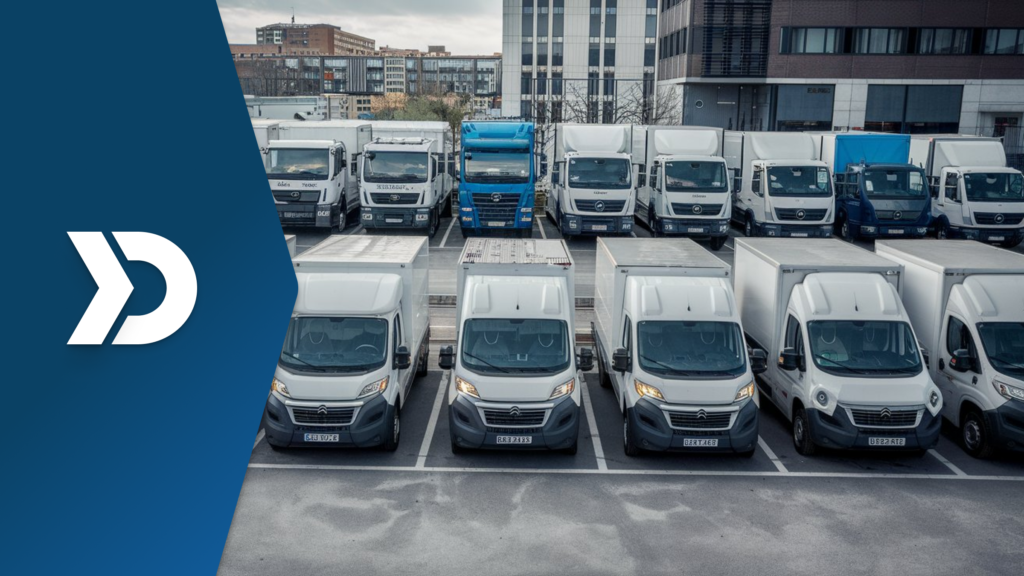
Resilience is predict, prevent, perform — using GPS, accelerometer, and trip context from the phone. You get delay and exception signals. Demand forecasting still lives in the WMS/TMS.
Damoov does not optimize routes. Route-as-traveled and live location feed the planner that already sequences stops.
Table of Contents
- The Strategic Advantage of Resilience
- Key Areas Where Mobile Telematics Enhances Resilience
- The Role of Predictive Analytics in Supply Chain Management
- How Predictive Capabilities Work in Practice
- Predict: Anticipating Supply Chain Disruptions
- Prevent: Mitigating Risks with Real-Time Insights
- Perform: Optimizing Operations for Competitive Advantage
- The Competitive Edge of Resilient Supply Chains
- Benefits for Logistics and Transportation Companies
- Overcoming Supply Chain Challenges with Mobile Telematics
- Embracing the Future of Supply Chains
- FAQ
1. The Strategic Advantage of Resilience
The operators who see a disruption early keep the SLA. Continuity is a customer-trust issue, not only a cost issue.
Modern supply chain resilience can benefit from the “three Ps” approach: Predict, Prevent, Perform. This strategy leverages mobile telematics—a technology that collects and analyzes data in real-time to provide actionable insights.
With predictive analytics, businesses can anticipate challenges, implement proactive measures, and optimize performance to stay ahead in a dynamic marketplace. Mobile telematics empowers companies to go beyond reacting to disruptions and instead develop anticipatory strategies that create stability and competitive strength.
2. Key Areas Where Mobile Telematics Enhances Resilience
Route Optimization
Traffic, closures, and weather show up on live GPS. Ops or the TMS can change the remaining stops. Damoov does not run a routing algorithm or auto-resequence the day.
Idle and delay on the actual path are the fuel and SLA levers you can measure.
Demand Forecasting
Mobile telematics plays a significant role in demand forecasting by capturing and analyzing data related to delivery patterns, inventory levels, and seasonal trends.
By leveraging this data, companies can align supply with demand more effectively, reducing overstocking or shortages. This alignment not only improves operational efficiency but also reduces waste and enhances customer satisfaction.
The granular insights provided by telematics data can also support long-term planning, allowing businesses to predict market shifts and optimize inventory replenishment cycles.
With better forecasting, companies are well-equipped to meet customer expectations while minimizing overhead costs.
3. The Role of Predictive Analytics in Supply Chain Management
Predictive analytics transforms the way companies manage their supply chains. By collecting real-time data through mobile telematics, businesses gain visibility into every aspect of their operations.
Advanced analytics tools process this data to predict potential disruptions, such as severe weather, traffic congestion, or mechanical failures. Predictive models can forecast the likelihood of a vehicle breakdown based on historical maintenance data.
This foresight allows companies to schedule preventive maintenance, avoiding costly delays and ensuring smooth operations.
Furthermore, predictive analytics can enhance demand planning by identifying emerging trends and enabling companies to anticipate customer needs. The ability to proactively address potential issues before they occur significantly strengthens supply chain reliability.
4. How Predictive Capabilities Work in Practice
Data Sources
Mobile telematics relies on diverse data sources to provide comprehensive insights. These include:
- GPS Data: Tracks vehicle location and routes in real time, providing essential information for route optimization.
- Accelerometers: Monitors driving behavior, such as acceleration and braking patterns, which can indicate potential safety risks.
- Environmental Sensors: Detects weather conditions, road quality, and other external factors that impact transportation efficiency.
By integrating these data sources, mobile telematics systems create a holistic view of supply chain operations, enabling businesses to make informed decisions and improve overall efficiency.
4.1. Predict: Anticipating Supply Chain Disruptions
Predictive capabilities enable companies to foresee risks and inefficiencies before they impact operations. By analyzing data patterns, businesses can identify potential delays, equipment failures, and demand spikes.
For instance, during peak seasons, predictive models can help companies allocate resources efficiently, ensuring timely deliveries.
Telematics systems can also monitor weather forecasts and traffic trends, providing actionable insights to mitigate disruptions. This predictive power is a game-changer for logistics managers, allowing them to move from reactive problem-solving to proactive risk management.
4.2. Prevent: Mitigating Risks with Real-Time Insights
If the feed shows a jam, dispatch suggests another corridor — in their tools. Safety alerts (harsh events, unauthorized stop) are the other half of prevent.
4.3. Perform: Optimizing Operations for Competitive Advantage
Performance optimization is the ultimate goal of supply chain resilience. By leveraging mobile telematics, companies can:
- Deliver On-Time Shipments: Smarter scheduling and route planning ensure punctual deliveries, even during high-demand periods.
- Achieve Cost Savings: Fuel efficiency and better fleet management reduce operational expenses, directly impacting the bottom line.
- Build Customer Trust: Reliable service enhances brand reputation and customer loyalty, creating a competitive advantage in the marketplace.
Mobile telematics-enabled optimization not only improves immediate operational performance but also provides long-term benefits, such as reduced environmental impact and increased scalability. Companies that prioritize performance through mobile telematics establish themselves as industry leaders, capable of meeting evolving market demands.
5. The Competitive Edge of Resilient Supply Chains
Mobile telematics provides a critical edge in today’s competitive landscape. By enhancing predictive capabilities, companies can:
- Drive Profitability: Resilient supply chains reduce costs and improve efficiency, boosting bottom lines.
- Adapt to Market Changes: Data-driven insights enable businesses to pivot quickly during disruptions.
As supply chains become increasingly complex, the vision for data-driven operations is becoming a reality. Companies that embrace mobile telematics can transform their supply chains into agile, responsive systems capable of navigating any challenge.
These capabilities also foster innovation by encouraging businesses to explore new strategies for growth and differentiation in a competitive marketplace.
6. Benefits for Logistics and Transportation Companies
The adoption of mobile telematics offers numerous benefits for logistics and transportation companies:
- Proactive Rerouting: Real-time data enables swift adjustments to changing circumstances, ensuring seamless operations.
- Optimized Fleet Utilization: Mobile telematics helps maximize vehicle usage while minimizing downtime, enhancing productivity and cost efficiency.
- Improved Customer Satisfaction: Transparency and reliability enhance the overall customer experience, fostering long-term loyalty.
By addressing inefficiencies and reducing operational costs, mobile telematics empowers companies to achieve sustainable growth. These benefits also support scalability, allowing businesses to expand their operations without sacrificing quality or reliability.
7. Overcoming Supply Chain Challenges with Mobile Telematics
The dynamic nature of global supply chains presents various challenges. Mobile telematics helps companies overcome these obstacles by:
- Reducing the Impact of Unexpected Events: Mobile telematics provides actionable insights during varying conditions, circumstances, and crises, enabling companies to respond effectively.
- Improving the Ability to Pivot: By leveraging real-time data, businesses can adapt their operations to meet changing demands and mitigate disruptions. This agility is critical in today’s unpredictable market environment.
8. Embracing the Future of Supply Chains
Predict from the trip file, prevent with live exceptions, perform by keeping the TMS honest against actuals. That is the three-P loop without pretending the SDK is a router.
The strategic importance of mobile telematics cannot be overstated. Companies that invest in this technology will be better equipped to handle disruptions, deliver exceptional service, and achieve long-term success.
As the landscape of global supply chains continues to evolve, embracing mobile telematics will not only strengthen resilience but also unlock new opportunities for innovation and growth.
Now is the time to adopt this transformative technology and secure a competitive edge in the ever-changing world of logistics.
FAQ
1. What is mobile telematics, and how does it work?
Mobile telematics involves using smartphone technology, sensors, and data analytics to collect and analyze information about vehicles, routes, and driver behavior. This technology processes real-time data to provide actionable insights for improving supply chain efficiency and resilience.
2. How can predictive analytics help in supply chain management?
Predictive analytics leverages historical and real-time data to anticipate disruptions, such as equipment failures, traffic delays, or demand fluctuations. These insights enable companies to implement proactive measures, reducing risks and ensuring smooth operations.
3. What are the main benefits of mobile telematics for logistics companies?
Key benefits include live location and trip history for the planner that already sequences stops, reduced fuel waste from idle and delay, improved fleet utilization, real-time tracking, and better on-time signals. Damoov does not optimize routes. Predictive maintenance stays the customer’s program.
4. Is mobile telematics suitable for small businesses?
Mobile telematics solutions are scalable and cost-effective, making them accessible to businesses of all sizes. Small businesses can benefit from the same efficiencies and insights as larger organizations, improving their competitive edge.
5. What role does mobile telematics play in sustainability efforts?
Mobile telematics supports eco-friendly practices by cutting idle and harsh driving, giving the TMS route-as-traveled context, and encouraging safer habits. Damoov does not optimize routes. That reduces fuel burn without a Damoov routing engine.
Next up in Mobility Innovations
- Securing Global Supply Chains: Mobile Telematics Solutions for Cargo Protection
- Reducing Congestion with Mobile Telematics: How Cities Can Manage Traffic Smarter
- Building Driver Reputation Scores with Mobile Telematics in Car Rental Marketplaces
- Can Mobile Telematics Replace Dashcams? A Look at Passive Event Recording with Sensor Data